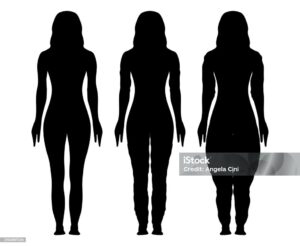
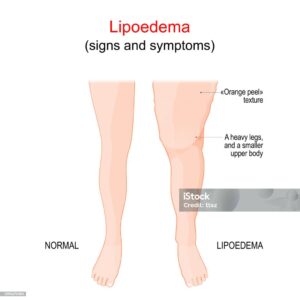
Lipoedema is a condition which makes you accumulate a specific type of fat, generally below the waist making your legs and buttocks out of proportion with your upper body.
It can also affect your arms. Lipoedema over the years has not always been recognised by the medical profession and can be confused with lymphoedema.
Many are told that their lipoedema is excess fat and it is their own fault. The actual cause is not known, but often there is a family history of the condition.
Lipoedema mainly affects women, and rarely men. It is estimated that 11% of the female population suffer from the condition.
Signs and symptoms of lipoedema may include:
- Excess weight on the legs or upper arms but does not include the feet or hands
- Loss of weight from the upper body but not lower.
- Small waist, but large hips and thighs
- Heaviness and discomfort of your legs
- Skin may be pale and feel cold
- Pain in joints, especially the knees
- Tenderness and sensitivity in the tissues
- Finding clothes to fit properly may be difficult due to the difference in upper and lower body size.
- Visible broken veins or varicose veins in your legs
- There is often a pad of fat just under the knees and or around the hips
- Tissues which bruise easily for no apparent reason
- Family members may have had a similar problem with lipoedema.
Most treatments recommended help to manage lymphoedema may also be helpful to manage lipoedema.
More recently specific methods of liposuction, in some, may prove beneficial in reducing the size of limbs.
The sooner you seek advice from your Lymphoedema Nurse Specialist regarding your swelling, the better the outcome.
The lymphatic system is part of our immune system and consists of organs, ducts, and nodes. It transports a watery clear fluid called lymph. It also interacts with the blood circulatory system it is the body’s drainage system, draining fluid from cells and tissues. Lymph fluid passes through lymph nodes which are connected by a network of lymph vessels. The nodes are found throughout the body. They filter and break down bacteria and other harmful cells from the lymph fluid. The lymph nodes contain white blood cells (lymphocytes), which attack and break down bacteria, viruses, damaged cells or cancer cells. Waste products and the destroyed bacteria are then carried in the lymph fluid back into the bloodstream and are removed from the body with other body waste. When we have an infection, lymph nodes often swell and become tender and sore to touch as they fight infection.